
1
Sep 2026
Study links protein interaction to senescent cell survival
Senescent cells - cells that have stopped dividing but remain metabolically active - can accumulate with age and contribute to chronic inflammation and tissue dysfunction
1
Sep 2026
Senescent cells - cells that have stopped dividing but remain metabolically active - can accumulate with age and contribute to chronic inflammation and tissue dysfunction

1
Sep 2026
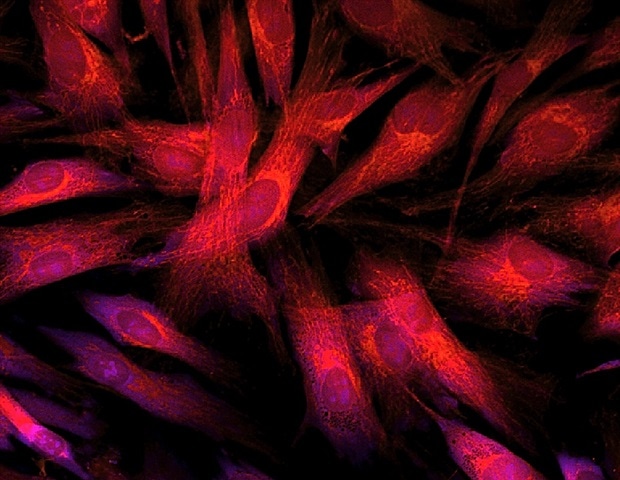
A region of the brain called the striatum is critical for many cognitive and motor functions, including decision-making, control of movement, habit formation, and processing of reward.
1
Sep 2026
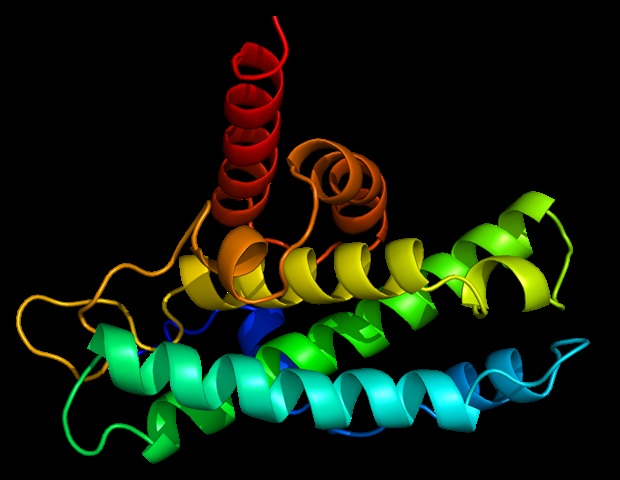
When a patient is facing certain cancers or an immune condition, clinicians turn to their white blood cells for clues about the progression of both diseases and their treatments.
1
Sep 2026
The way cancer-causing proteins accumulate in tumours may influence how effectively a promising new generation of medicines can remove them, a study suggests.
1
Sep 2026
Imagine a brain teaser where the challenge is to spot the difference between two nearly identical sandcastles.
1
Sep 2026
Obesity-related metabolic liver disease affects hundreds of millions of people worldwide, but only some fraction of those livers develop scarring, become inflamed, and eventually fail. University of Utah researchers have identified a protein, EFHD1, that appears to drive that transition by triggering an out-of-place antiviral immune response.
1
Sep 2026
The Defense Advanced Research Projects Agency (DARPA) has tasked scientists with developing a system that can receive instructions and synthesize a sequence of DNA or RNA without any chemical input. Think wireless DNA printer.
1
Sep 2026
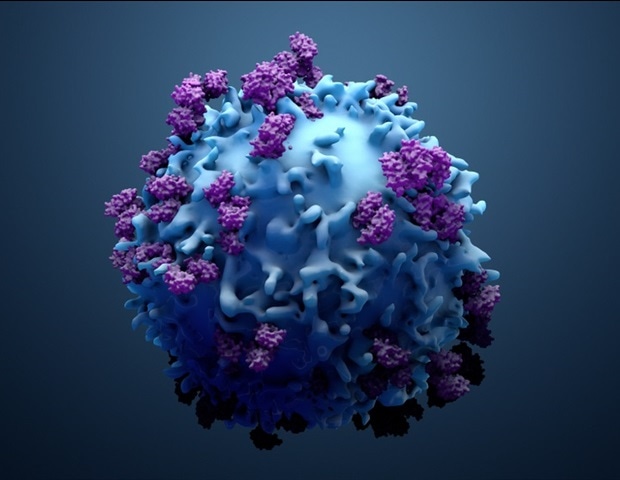
Jessica Thaxton, PhD, MsCR, associate professor in the Department of Cell Biology and Physiology at the UNC School of Medicine and co-leader of the Cancer Cell Biology Research Program at UNC Lineberger Comprehensive Cancer Center, has been awarded a prestigious $700,000 grant from the Mathers Foundation to support research into the role of the endoplasmic reticulum in T-cell metabolism and cancer development.
1
Sep 2026
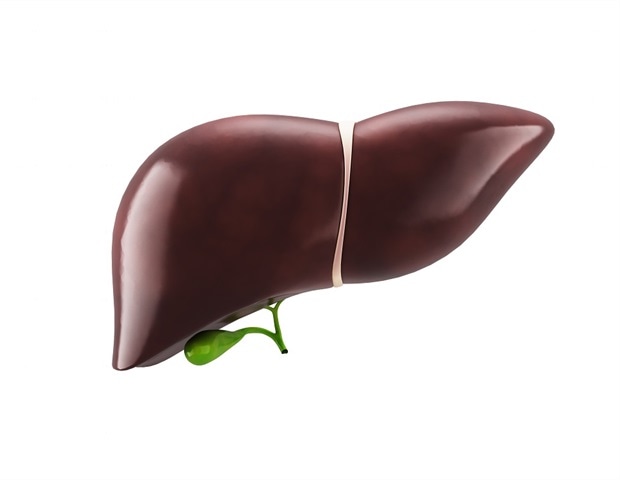
The Patient-Centered Outcomes Research Institute (PCORI) has announced a $13 million funding award to the University of North Carolina at Chapel Hill over five years to study innovative symptom management interventions for patients with rare cholestatic liver diseases.

1
Sep 2026
A commonly used systemic antifungal medication may help reduce symptoms in a subset of patients with inflammatory bowel disease (IBD) by restoring a healthier gut microbiome, according to a preliminary study by Weill Cornell Medicine investigators.
Clinical trials are very important as it allow us to evaluate the effectiveness of new drugs, new devices, preventative strategies or treatment strategies. It also enables us to discover better ways for patients' care.
- Learn more
Our mission remains constant as we endeavor to deliver novel medicines to patients with cancer, treating solid tumors with high unmet medical needs in well-defined patient populations that are currently not well supported.
- Learn more
Whether you're looking to manufacture toxicology batches or cGMP material for clinical trials, we can help you expedite molecules to clinic with full transparency.
- Learn more

