
19
Oct 2026
Could ultraprocessed foods affect your brain before you notice?
Ultraprocessed food intake correlates with increased body fat and vascular brain injury in middle-aged adults, though cognitive performance remains unaffected.

Increasing and changing demands concerning the health of populations and limited resources require our health care organizations and systems to rethink their sustainability. To achieve objectives, such as improved healthcare quality, health outcomes, efficiency and staff satisfaction, we support our clients in making evidence-based decisions. With tailor-made research projects, we provide insights into what works, for whom, at what cost, and under what circumstances. Based on your challenge, we can support you by:
Clinical trials are very important as it allow us to evaluate the effectiveness of new drugs, new devices, preventative strategies or treatment strategies. It also enables us to discover better ways for patients' care.
- Learn more
Our mission remains constant as we endeavor to deliver novel medicines to patients with cancer, treating solid tumors with high unmet medical needs in well-defined patient populations that are currently not well supported.
- Learn more
Whether you're looking to manufacture toxicology batches or cGMP material for clinical trials, we can help you expedite molecules to clinic with full transparency.
- Learn more
19
Oct 2026
Ultraprocessed food intake correlates with increased body fat and vascular brain injury in middle-aged adults, though cognitive performance remains unaffected.

19
Oct 2026
Lythrum salicaria extract supplementation led to body fat reduction in a clinical trial, suggesting a promising plant-based approach to weight management.
19
Oct 2026
Lythrum salicaria extract supplementation led to body fat reduction in a clinical trial, suggesting a promising plant-based approach to weight management.
19
Oct 2026
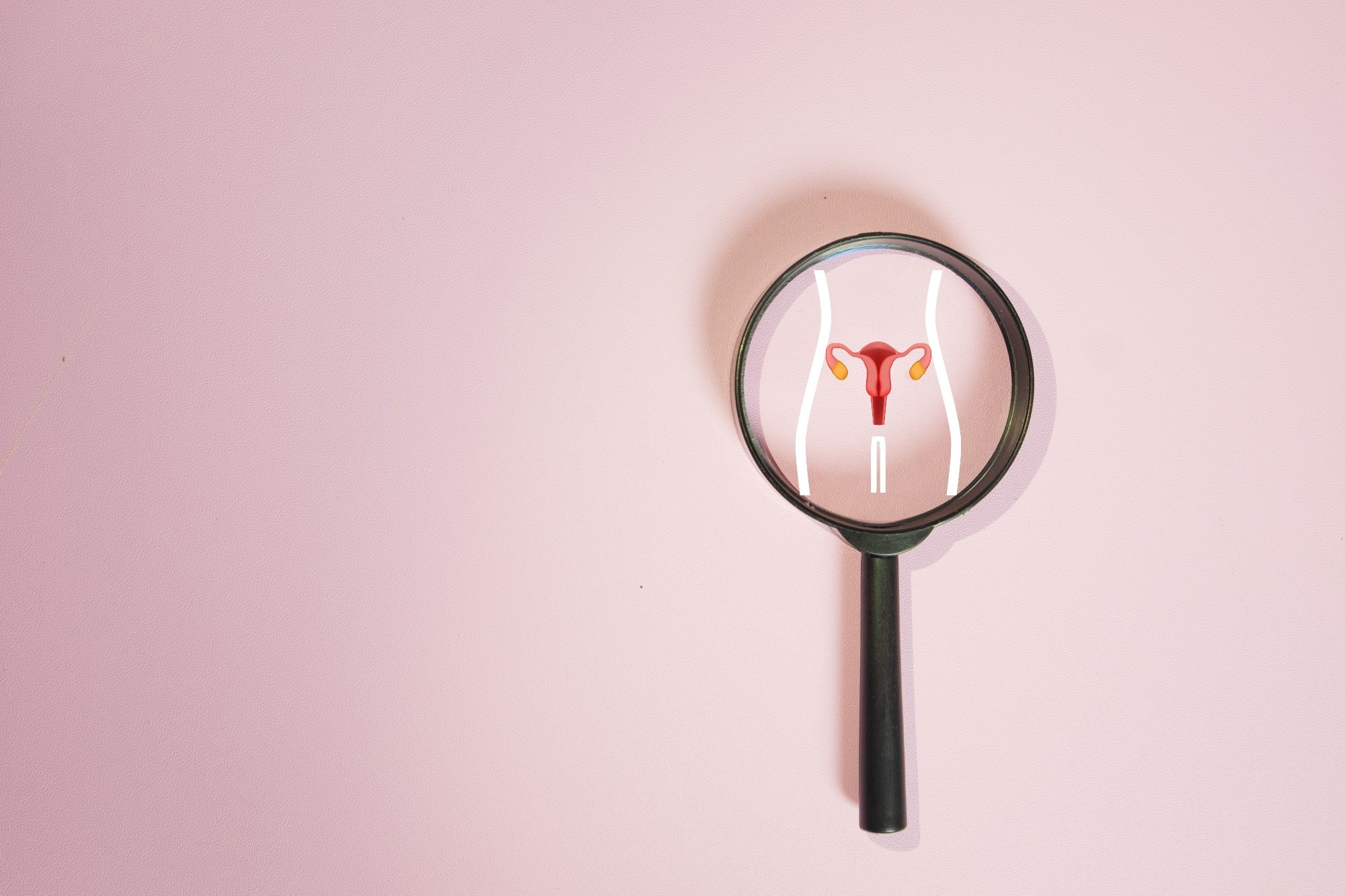
Research reveals that postmenopausal ovaries remain active, showing molecular remodeling linked to inflammation and potential implications for women's health.