
26
Oct 2026
One in three young adults turns to AI for substance use
More than 32% of participants in a Rutgers study reported using ChatGPT and similar chatbots for substance-use information.

Innovators and start-ups in healthcare and biotech are experts in their innovation’s scientific and technical domain but often struggle with navigating the complex world of the healthcare industry.
If you want to objectively show the advantages and competitiveness of your innovation to potential investors, future users, (reimbursement) payers or even the media, you can greatly benefit from Mercury Pharmaceuticals’s Health Innovation Assessment solution.
By making use of robust methods to collect and analyse data, Health Innovation Assessment (HIA) aims to comprehensively assess the added value of (bio-)medical and healthcare innovations. HIA takes into account true multi-stakeholder perspectives on value assessment and the realm of marketplace decision making.
Clinical trials are very important as it allow us to evaluate the effectiveness of new drugs, new devices, preventative strategies or treatment strategies. It also enables us to discover better ways for patients' care.
- Learn more
Our mission remains constant as we endeavor to deliver novel medicines to patients with cancer, treating solid tumors with high unmet medical needs in well-defined patient populations that are currently not well supported.
- Learn more
Whether you're looking to manufacture toxicology batches or cGMP material for clinical trials, we can help you expedite molecules to clinic with full transparency.
- Learn more
26
Oct 2026
More than 32% of participants in a Rutgers study reported using ChatGPT and similar chatbots for substance-use information.
26
Oct 2026
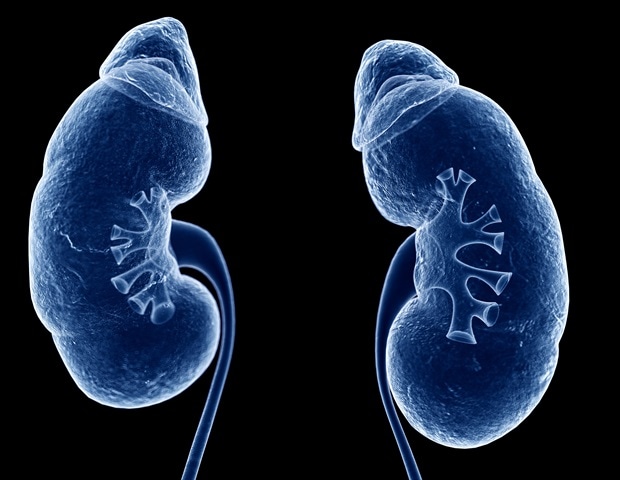
New research uncovers the potential benefits and risks of sodium-glucose cotransporter 2 (SGLT2) inhibitors for adults aged 80 years or older with chronic kidney disease (CKD). The findings will be presented at ASN Kidney Week 2026 October 22–25.

26
Oct 2026
At a clinic in South Africa, researchers have identified airborne ESKAPE bacteria which survive most antibiotic medicines. The clinic is in a densely populated inner-city area.
26
Oct 2026
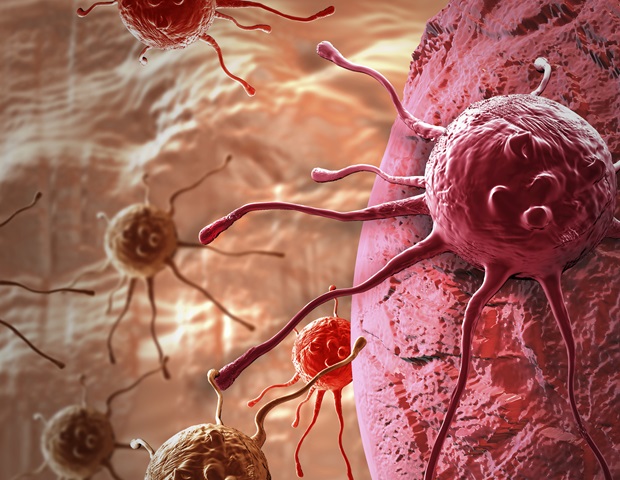
Patients with previously treated advanced KRAS G12C-mutant non-small cell lung cancer (NSCLC) lived significantly longer and saw improved disease control when treated with the next-generation KRAS targeted therapy divarasib, according to researchers from The University of Texas MD Anderson Cancer Center.