13
Nov 2026
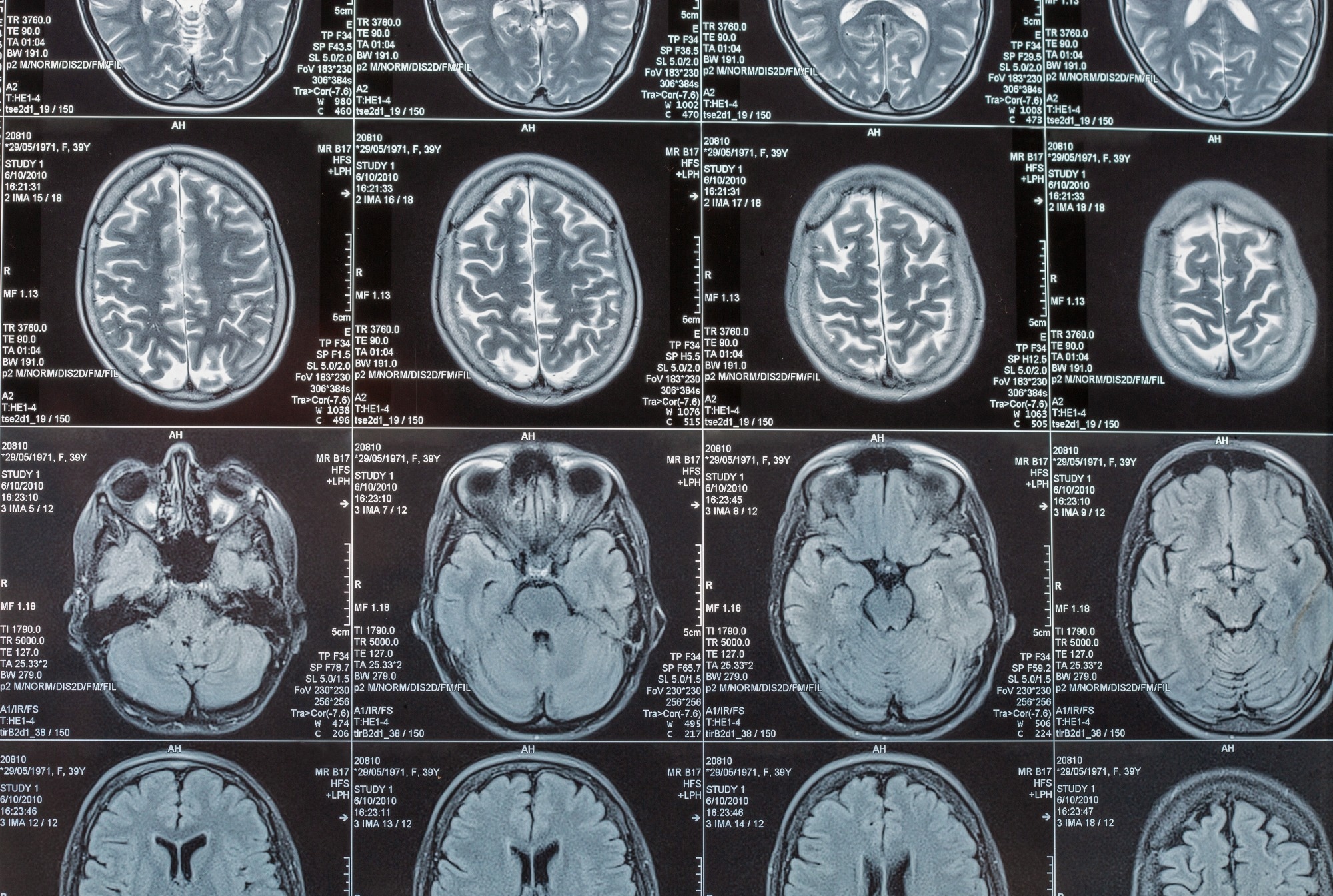
Your brain may reveal your Alzheimer’s risk before symptoms appear
Researchers developed the ARC brain connectivity score to distinguish cognitive resilience from vulnerability and improve early Alzheimer’s risk assessment.

The process of bringing your healthcare innovation to the market is lengthy and complicated. Besides the clinical or humanistic value that your product generates, for example by decreasing complication rate, prolonging survival, improving patient flow etc., the economic value needs to be demonstrated to healthcare payers.
Using Health Technology Assessment, the value of a novel medical intervention is quantified by simultaneous analysis of effects on patient outcomes and total costs of care associated with the innovation in comparison to the standard of care. An objective measure of the medical innovation’s value is generally required for (national) reimbursement applications.
Mercury Pharmaceuticals offers tailor-made Health Technology Assessment expertise through:

Clinical trials are very important as it allow us to evaluate the effectiveness of new drugs, new devices, preventative strategies or treatment strategies. It also enables us to discover better ways for patients' care.
- Learn more
Our mission remains constant as we endeavor to deliver novel medicines to patients with cancer, treating solid tumors with high unmet medical needs in well-defined patient populations that are currently not well supported.
- Learn more
Whether you're looking to manufacture toxicology batches or cGMP material for clinical trials, we can help you expedite molecules to clinic with full transparency.
- Learn more
13
Nov 2026
Researchers developed the ARC brain connectivity score to distinguish cognitive resilience from vulnerability and improve early Alzheimer’s risk assessment.

13
Nov 2026
New research in the November 2026 issue of JNCCN-Journal of the National Comprehensive Cancer Network found that patients with advanced non-small cell lung cancer (NSCLC) lived longer when they received broad-based genomic sequencing (BGS)-testing a large panel of dozens or hundreds of genes at once-before starting treatment, compared with patients who received more limited biomarker testing of just one or two genes.

13
Nov 2026
Molecular diagnostic approaches are expanding what information is available for clinicians and laboratory professionals, including uncovering antimicrobial resistance, identifying pathogens missed by conventional methods, revealing cancer recurrence risks and characterizing complex tumor biology.

13
Nov 2026
Researchers at The University of Texas MD Anderson Cancer Center have created one of the most detailed maps to date of the cell environment surrounding ductal carcinoma in situ (DCIS), the most common form of preinvasive, or stage 0, breast cancer.